Find a Reliable Video Surveillance Company in 2026
14/04/2026
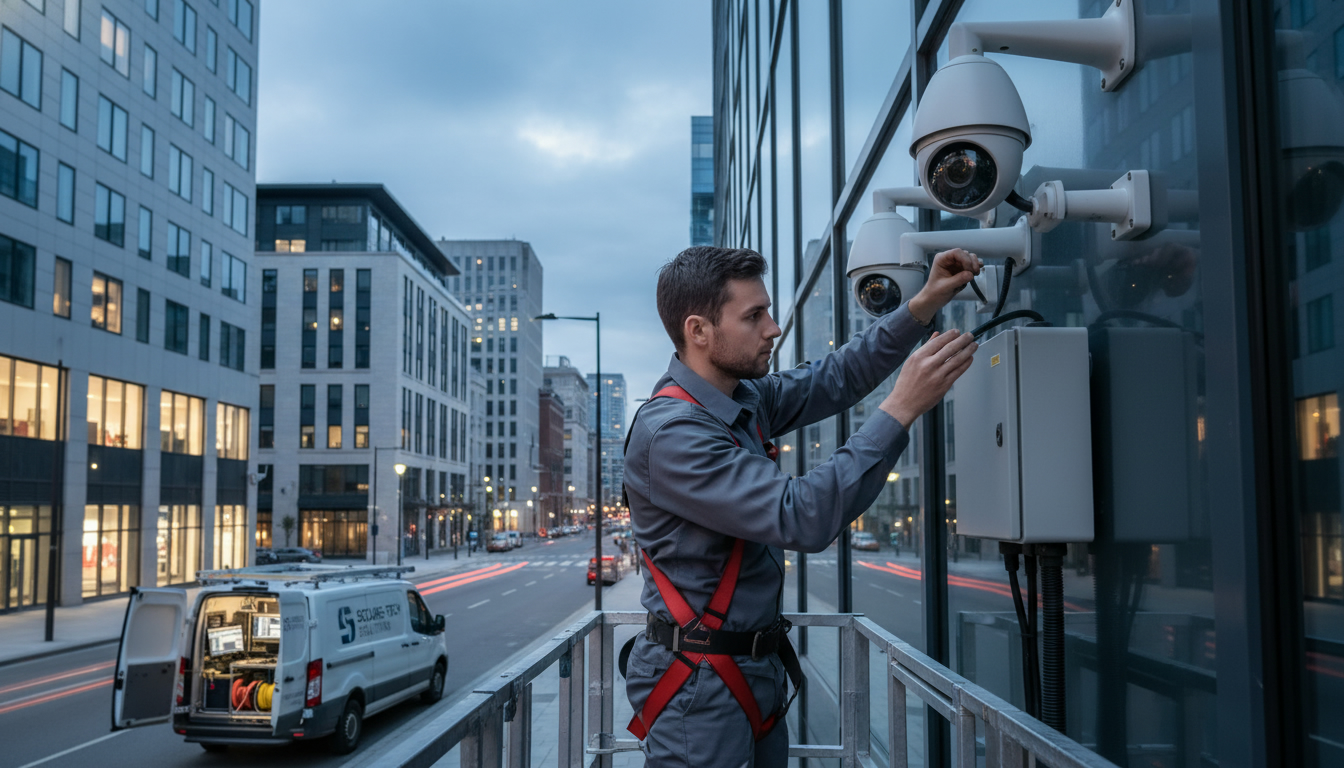
In short, what you will discover in this article: how to choose a professional video surveillance company, the key services offered, available technologies, essential criteria for selecting a reliable provider, as well as legal aspects and use cases by sector. A complete guide to effectively securing your home or business.
1. Introduction – Why Choose a Professional Video Surveillance Company
Securing a sensitive site requires specialized expertise. A professional video surveillance company guarantees a suitable, reliable installation that complies with standards. It offers customized solutions, from equipment selection to maintenance, including remote monitoring. This choice avoids costly mistakes and ensures system longevity.
Hiring a specialist also allows you to benefit from full support, including a thorough needs assessment and responsive after-sales service. For example, OML Security provides recognized expertise in Île-de-France, with personalized follow-up and tailored interventions.
2. Services Offered by a Video Surveillance Company
2.1 Design and Security Audit
Before any installation, a detailed audit is conducted to analyze risks and identify areas to monitor. This step is crucial to adapt the system to the site's specific needs, whether it's a retail store, co-ownership, or industrial site.
2.2 Equipment Supply and Installation
The company supplies and installs appropriate video surveillance equipment: cameras, recorders, video access control systems. Professional installation guarantees optimal coverage and smooth integration with the existing environment.
2.3 Software Configuration and Integration (VMS, Cloud, Mobile)
Video management software (VMS) configuration enables remote monitoring via smartphone or computer. Integration with cloud solutions offers flexibility and secure access to real-time footage.
2.4 Remote Monitoring and Intervention
Some companies offer remote monitoring services with rapid intervention in case of alerts. This service complements installation by ensuring 24/7 protection, essential for sensitive sites.
2.5 Maintenance, Updates, and Contracts (SLA)
Regular maintenance of surveillance cameras and equipment ensures proper functioning. Service Level Agreements (SLA) define intervention times and guarantees, providing lasting peace of mind.
3. Types of Solutions and Technologies
3.1 Cameras (IP, Analog, Dome, PTZ, Thermal)
IP cameras are now preferred for their image quality and connectivity. Models vary according to needs: discreet dome cameras, PTZ (Pan-Tilt-Zoom) for wide coverage, or thermal cameras for night detection.
3.2 Storage and Recording (Local, NVR, Cloud)
Storage can be local via NVR recorders or hosted in the cloud. The choice depends on security constraints, capacity, and desired accessibility.
3.3 Analytics and AI (Motion Detection, Counting, Recognition – Mention Legal Limits)
Artificial intelligence technologies enable automatic event detection, people counting, or facial recognition. However, their use is regulated by law, especially regarding privacy protection.
4. Criteria for Choosing a Provider
4.1 Certifications and Insurance
Verify that the installer holds the necessary certifications and professional liability insurance. These guarantees demonstrate seriousness and compliance.
4.2 Customer References and Case Studies
Review customer feedback and request examples of projects similar to yours. This helps assess service quality and provider adaptability.
4.3 Contractual Terms and SLAs
Examine contractual conditions, particularly maintenance commitments, response times, and offered guarantees.
4.4 Pricing and Financing Options
Compare quotes considering value for money and financing options offered. Some companies provide modular solutions based on budget.
5. Compliance and Data Protection
5.1 GDPR: Retention Periods, Access Rights, Consent
Video surveillance must comply with GDPR, notably concerning image retention periods, rights of recorded individuals, and the obligation to inform users.
5.2 Network Security and Updates
Data protection also involves securing networks and regularly updating software to avoid vulnerabilities.
6. Use Cases by Sector
6.1 Retail
Retailers use video surveillance to prevent theft and monitor customer flow. PTZ cameras and analytics systems are particularly suitable.
6.2 Industry and Warehouses
In industry, surveillance protects stock and controls access. Thermal solutions and remote monitoring enhance security.
6.3 Residential and Co-ownerships
For homes and co-ownerships, discreet camera installations and remote monitoring provide effective protection against intrusions.
7. Practical FAQ / Tender Checklist
To properly prepare your project, here is a simple checklist:
- Define precisely your needs and areas to monitor.
- Verify providers’ certifications and insurance.
- Request several detailed quotes.
- Ensure maintenance and intervention terms.
- Control GDPR compliance and data security measures.
This list will help you effectively compare offers and choose the best video surveillance company.
8. Conclusion and Call to Action
Choosing a reliable video surveillance company is essential to ensure the security of your assets and loved ones. Don’t hesitate to request a free audit or a personalized quote to evaluate solutions tailored to your project. To learn more about the benefits of a dedicated entrepreneurship site in this sector, check out our article on the strengths of the site.
For professional support in Île-de-France, you can also contact directly OML Security, a recognized expert in video surveillance system installation and maintenance.
Finally, to deepen your understanding of technical solutions and offered services, our guide on the presentation and advantages of the site will provide useful additional information.

Nicolas Joly
Ancien artisan devenu consultant en création d'entreprise dans le secteur manuel, je mets plus de quinze ans d'expérience au service des futurs entrepreneurs du bâtiment et des métiers physiques. Mon parcours m'a permis d'accompagner des profils très variés, du néophyte au professionnel en reconversion, en démystifiant les étapes clés de la création d'activité. Je partage ici des conseils pragmatiques et accessibles pour guider chacun dans le choix de son statut, la gestion administrative et la recherche de ses premiers clients. Mon objectif est d'aider les porteurs de projets à franchir le cap avec sérénité et confiance, en rendant l'entrepreneuriat concret et abordable.